The Margarita: Citrus Chemistry and the Perfect Agave Balance
The Margarita occupies a unique position in the cocktail hierarchy—a seemingly simple sour that conceals remarkable chemical complexity beneath its accessible exterior. Born in Tijuana during the 1930s-1940s (with competing origin stories pointing to socialite Margarita Sosa, the Rancho La Gloria restaurant, or simply a creative bartender's experiment), this drink represents the pinnacle of tequila's integration with citrus. Unlike the Martini's botanical subtlety, the Margarita demands aggressive acidity and explicit agave character—a balance that, when achieved correctly, creates one of the most satisfying drinking experiences in the cocktail canon.
The chemistry of the Margarita is fundamentally about acid-salt interaction. Fresh lime juice contains approximately 4-6% citric acid by weight, with trace amounts of ascorbic acid and malic acid contributing to its bright character. This acidity serves multiple functions: it provides immediate refreshment through proton-taste receptor activation, it "cleans" the palate between sips by stripping away fat and protein residues, and critically, it breaks down the volatile ester compounds in tequila that would otherwise remain masked. The salt rim works through osmoreceptor enhancement—sodium ions temporarily dull bitter receptors while amplifying sweet and sour perception, creating the illusion of greater complexity than actually exists in the glass.
The Science of the Margarita
The Brix-to-Acid ratio in a properly constructed Margarita falls within a precise range of 25-35, representing optimal sour-sweet balance. Commercial margarita mixes typically register at 12-18 Brix, explaining their often cloying, artificial character. Fresh lime juice at 8-10 Brix provides the necessary counterpoint when combined with the 1:1 simple syrup (50 Brix) at proper proportions. The resulting equilibrium delivers bright citrus character without the puckering intensity of undiluted lime.
Salt crystals on the rim perform a dual function that many drinkers misunderstand. The initial taste of salt provides immediate sodium impact, but as the drink progresses and the rim dissolves, the salt interacts with the cocktail's surface tension, actually increasing the aromatic intensity of the volatile citrus compounds. This is why a properly salted rim becomes increasingly important as the drink diminishes—each sip should deliver progressively more aromatic impact as the salt concentration increases in the remaining liquid.
The "shake" in a Margarita is non-negotiable for reasons beyond simple temperature reduction. Shake duration of 15-20 seconds introduces approximately 20-25% dilution while simultaneously creating a micro-emulsion of citrus oils with the alcohol. This emulsion—technically a colloidal suspension—creates a visually opaque appearance and delivers a "mouth-coating" texture that plain stirred cocktails cannot achieve. The ice crystals formed during shaking also provide immediate cooling that no stirred drink can match, as the phase transition energy is absorbed directly into the drink rather than requiring conductive heat transfer through glass.
Ingredients
- 2 oz (60ml) Reposado Tequila (100% agave, aged 2-11 months)
- 1 oz (30ml) Fresh Lime Juice (approximately 2 limes, freshly squeezed)
- 0.5 oz (15ml) Agave Nectar or Simple Syrup (1:1 ratio)
- 1 Lime wheel (for garnish)
- Coarse salt (for rim, preferably Mexican sea salt)
- 0.5 oz (15ml) Cointreau or Triple Sec (optional, for added sweetness)
Instructions
-
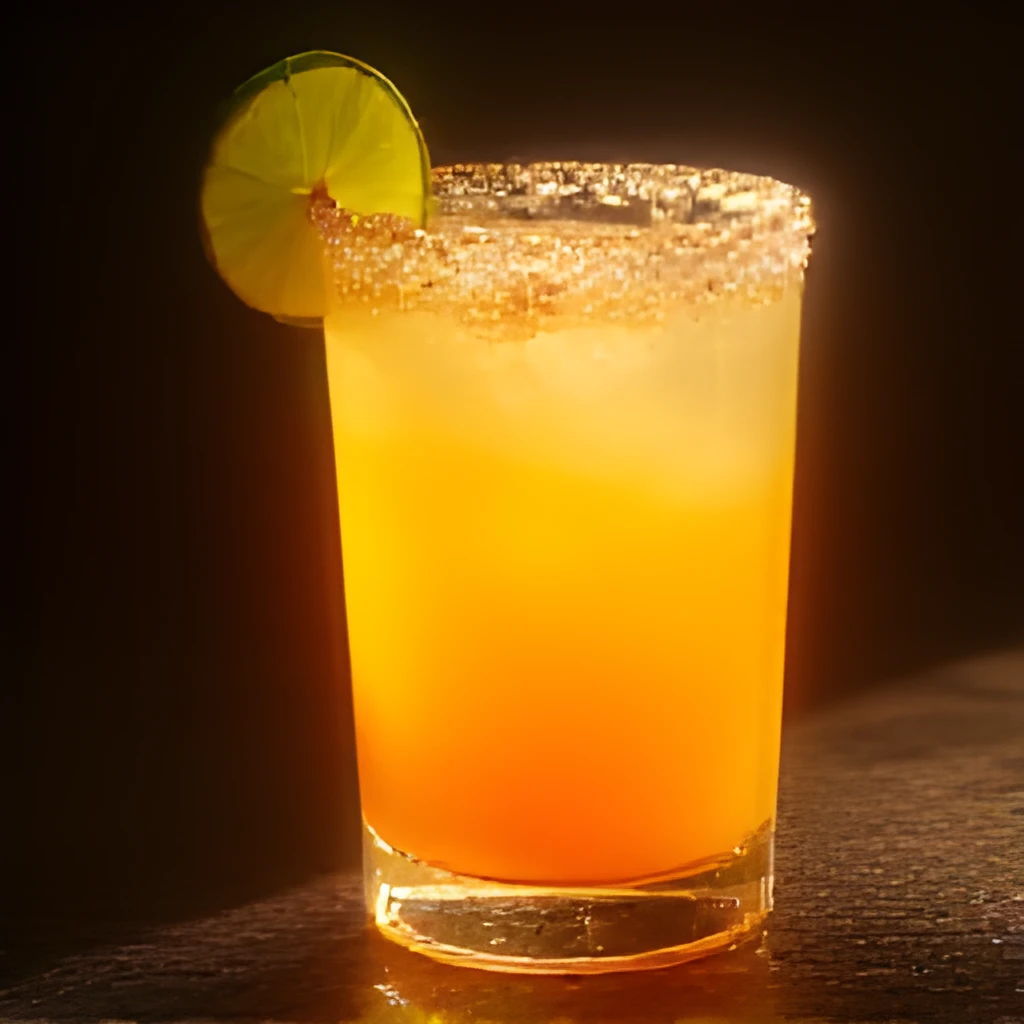
Prepare the rim: Run a lime wedge around the outer edge of a rocks glass or coupe. Press the rim into a plate of coarse salt, rotating to ensure even coverage. Set aside.
-
Juice with precision: Roll each lime firmly on the counter before juicing to rupture internal cell membranes and maximize juice extraction. Juice immediately and strain through a fine-mesh strainer to remove pulp and seeds.
-
Measure and combine: Using a jigger, measure tequila, fresh lime juice, and agave nectar into a Koriko weighted tin. Add 0.5 oz Cointreau if using for additional sweetness and depth.
-
Add ice: Fill the tin with 6-8 large ice cubes. The ice should fill approximately 80% of the tin's capacity.
-
Shake with intensity: Secure the tin against theKoriko tin and shake vigorously for 15-20 seconds. The shaker should feel cold to the touch, and you should hear the liquid's sound change from a "sloshing" to a "rattling" quality as the ice chips form.
-
Double-strain: Using a Hawthorne strainer, double-strain through a fine-mesh strainer into your prepared glass. This removes ice chips and any pulp that passed through the first strainer.
-
Garnish: Position the lime wheel on the rim of the glass, inserting one edge into the drink to allow juice to drip in.
Pro-Tips from The Drink Doctor
-
Tequila selection matters: Never use gold/tequila-style spirits—stick to 100% agave reposado for authentic character. The aging (2-11 months in oak) provides vanilla and caramel notes that complement citrus without overwhelming it.
-
Temperature inversion: If your tequila has been stored at room temperature, keep it in the freezer. Cold tequila emulsifies more readily with citrus, creating a smoother final product.
-
The "salty dog" effect: For maximum salt impact, use the larger crystals of Coarse Kosher Salt or Hawaiian Black Salt. Fine table salt dissolves too quickly and delivers a harsh sodium hit rather than gradual enhancement.
-
Sweetener strategy: Agave nectar at 1:1 (mixed with water) provides the most seamless integration with tequila's natural agave sugars. Plain simple syrup works but can taste more generic—agave maintains the spirit's regional character.
-
Citrus timing: Never pre-juice limes more than 2 hours before making drinks. Oxidization begins immediately upon exposure to air, converting the bright, grassy compounds into dull, flat-tasting byproducts.
Gear Recommendations
-
Koriko Weighted Tins: Essential for proper shake technique. The weight (approximately 8 oz per tin) provides momentum that creates proper agitation, while the 18/8 stainless steel maintains temperature throughout the shake.
-
Hawthorne Strainer: The spring-loaded design ensures a proper seal against ice while allowing smooth pouring. Essential for the double-straining step.
-
Mexican Salt Grains: Use a combination of Tajín (for the spice-salt blend) and coarse sea salt for the rim—each delivers different textural and flavor experiences.
-
Mexican Borosilicate Glass: For the authentic experience, serve in traditional handblown glassware with thick walls that maintain temperature longer than standard bar glass.
-
Japanese Jigger: For precise measurement of the critical 2:1 ratio.
History & Variations
The Margarita's exact origin remains one of cocktail history's most debated topics. The leading theories include:
-
The Socialite Theory: Margarita Sosa, a wealthy socialite from Tijuana, supposedly had her personal bartender create the drink for her in 1941. The story goes that a customer at the restaurant asked what the "Margarita" was and the name stuck.
-
The Rancho La Gloria Theory: Restaurant owner Danny Herrera claims to have created the drink in 1936 for a customer complaining of allergies—replacing the usual orange liqueur with lime juice to avoid citrus.
-
The Daisy Theory: The Spanish word "daisy" (marguerite in French, now Margarita) refers to a family of drinks using tequila, lime, and orange liqueur—a template the Margarita perfectly fills.
Classic Variations
Margarita on the Rocks: Served in an old-fashioned glass with more ice—allows the drink to maintain temperature longer and creates a slower drinking experience.
Frozen Margarita: Blended with additional ice—popular in American Mexican restaurants but dilutes the integrity of the ingredients. Use quality fresh ingredients if attempting.
Tommy Margarita: Uses Tommy Flores's creation (tequila, lime, agave) without the orange liqueur—the original at Tommy O's in San Francisco.
Mezcal Margarita: Substitute reposado tequila with joven mezcal for a smoky, more complex variation.
Blood Orange Margarita: Replace standard lime with blood orange juice for a sweeter, more aromatic expression.
Long-Tail Keywords
- "classic margarita recipe perfect ratio"
- "margarita science citrus acid chemistry"
- "best tequila for margarita reposado"
- "how to salt a margarita rim properly"
- "margarita vs mexican cocktail history"
- "koriko shaker technique margarita"
- "agave nectar vs simple syrup margarita"