The Mojito: Mint Essential Oils and the Physics of Muddling
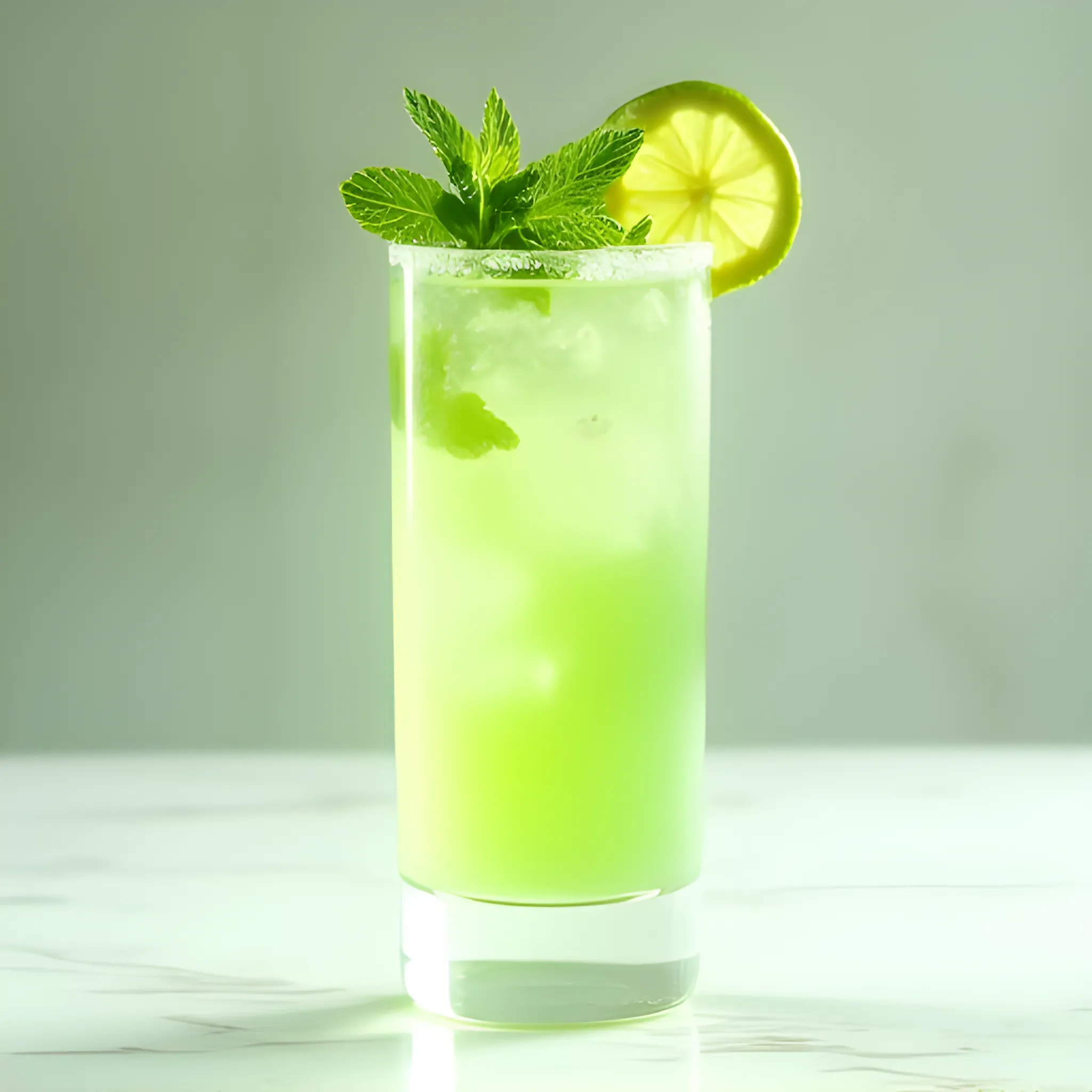
The Mojito stands as one of the world's most beloved cocktails—a seemingly simple highball that rewards attention to detail with extraordinary refreshment. Originating in Cuba (with roots possibly dating back to the 16th century and Sir Francis Drake's attempted medicinal elixirs), this drink combines white rum, fresh lime, mint, sugar, and soda water in a configuration that achieves remarkable complexity through deceptively straightforward technique. The Mojito's genius lies in its ability to mask the presence of alcohol beneath layers of cooling mint and bright citrus—a quality that made it the drink of choice for Havana's social scene and subsequently the world.
The chemistry of the Mojito is fundamentally about essential oil extraction and preservation. Mint leaves contain menthol (the cooling compound), menthone (providing the herbal character), and various terpenes that constitute the plant's aromatic profile. These compounds are water-soluble to varying degrees—the menthol dissolves readily in the acidic lime environment, while the more delicate terpenes require alcohol for proper extraction. This is why the Mojito sequence matters: sugar and lime first, then mint, then rum—the rum's alcohol content extracts the terpenes while the acidic environment dissolves the menthol.
The Science of the Mojito
The muddling technique in a Mojito is the critical variable that separates exceptional from mediocre versions. Proper muddling involves pressing the mint leaves with moderate, sustained pressure to rupture the cell walls without shredding the leaves into bitter-tasting fragments. The cell wall rupture releases the essential oils, but if too much force is applied, the leaf tissue breaks down and releases tannic compounds that create an astringent, unpleasant character. The goal is oil release, not leaf destruction—a subtle but crucial distinction that most home bartenders miss.
The carbonation in a Mojito serves multiple functions beyond mere refreshment. The CO2 bubbles provide physical agitation that continuously releases volatile aromatic compounds from the mint, creating a dynamic scent profile that changes as the drink sits. Additionally, the carbonic acid (formed when CO2 dissolves in water) slightly lowers the drink's pH, enhancing the perception of citrus brightness while simultaneously softening the rum's heat. The bubbles also create a "mouthfeel" effect—each bubble's collapse provides a tiny burst of cooling that complements the menthol's temperature sensation.
The dilution trajectory in a Mojito differs significantly from stirred or shaken drinks. Because the drink is built over ice and then topped with soda water, initial dilution is lower (approximately 10%) but increases progressively as the carbonation dissipates. The drink is designed to be consumed relatively quickly—within 10-15 minutes—before the ice melt significantly dilutes the flavor profile. This is intentional: the Mojito is a refreshing, lighter cocktail meant for rapid consumption, not prolonged sipping.
Ingredients
- 2 oz (60ml) White Rum (Cuban-style, 40% ABV recommended)
- 1 oz (30ml) Fresh Lime Juice (approximately 1 large lime)
- 0.75 oz (22ml) Simple Syrup (1:1 ratio) OR 2 tsp White Cane Sugar
- 8-10 leaves Fresh Mint (spearmint, not peppermint)
- 3-4 oz (90-120ml) Soda Water (chilled)
- 1 Mint sprig (for garnish)
- 1 Lime wheel (for garnish)
Instructions
-
Prepare the glass: Fill a Collins glass with ice and set aside. The ice pre-cools the glass and ensures the drink arrives at proper temperature.
-
Muddle with precision: Add the mint leaves and simple syrup (or sugar) to the bottom of a separate mixing glass or Boston tin. Using a muddler, press firmly and twist 4-5 times—the goal is to rupture cell walls and release oils without shredding the leaves. You should smell mint aromatics rising from the glass.
-
Add lime and rum: Add the fresh lime juice directly to the muddled mint, then pour in the white rum. The acid in the lime helps extract the menthol while the alcohol pulls the terpenes.
-
Integrate: Using a bar spoon, gently stir the mixture for 10-15 seconds to integrate the ingredients without introducing agitation that would release the mint aromatics prematurely.
-
Transfer to glass: Pour the mixture into the prepared Collins glass over fresh ice. The pour should be controlled to avoid splashing.
-
Top with soda: Slowly pour the chilled soda water down the back of the spoon to preserve carbonation. Fill to approximately 1/2 inch from the top.
-
Garnish: Gently slap a mint sprig between your palms to release the oils, then position it on top of the drink. Place the lime wheel on the rim.
Pro-Tips from The Drink Doctor
-
Mint selection: Use spearmint—peppermint is too intense and creates a cooling sensation that overwhelms the drink. " Mojito mint" or "Yerba Buena" (the Cuban variety) provides the ideal profile, but any fresh spearmint works.
-
The "slap" technique: Always slap (not stir) the garnish mint. This bruises the leaves without breaking them, releasing the oils that provide the aromatic finish. Position the garnish on top, not submerged—it should perfume the drink as you sip.
-
Sugar vs. syrup: Simple syrup (1:1 with water) dissolves more readily than cane sugar, but some argue the sugar provides textural interest. For best results, use 0.75 oz of 1:1 simple syrup—the extra sweetness balances the lime's acidity.
-
Soda water strategy: Use a soda siphon or high-quality club soda—the CO2 pressure in commercial sodas is higher, providing more active carbonation. Pour slowly to preserve bubbles.
-
Ice quality: Use large, solid ice cubes—the slower melt rate ensures the drink doesn't become watery before completion. Crushed ice cools too quickly and dilutes unevenly.
Gear Recommendations
-
Muddler: Use a Japanese-style stainless steel muddler with a textured end—it provides better grip on mint leaves than wooden alternatives.
-
Collins Glass: The tall, narrow design minimizes surface area exposure, preserving carbonation longer than a wider glass.
-
Bar Spoon: A long-handled spoon with a twisted handle aids in the gentle integration step.
-
Japanese Jigger: Precision measurement ensures the critical 2:1:0.75 ratio is maintained.
-
Soda Siphon (optional): For those who want maximum carbonation control—fresh soda water from a siphon outperforms commercial options.
History & Variations
The Mojito's origins are deeply intertwined with Cuban history. The earliest documentation points to a drink called "El Draque" (Spanish for "the dragon," referring to Francis Drake), a medicinal preparation from the 1580s using crude aguardiente (cane spirit), mint, and lime. By the early 20th century, the recipe had evolved into its modern form, with white rum replacing the original aguardiente and sugar replacing the medicinal herbs.
Havana's role in the Mojito's popularization cannot be overstated. The drink became synonymous with the city's famous bars—La Bodeguita del Medio (where Hemingway allegedly drank his mojitos) and El Floridita—both establishments that helped spread the drink's fame worldwide. The post-revolution export of Cuban bartenders to Miami and beyond ensured the drink's global presence.
Classic Variations
Mojito Blanco: The standard—white rum, mint, lime, sugar, soda.
Mojito de Fresa: Strawberry Mojito—muddle fresh strawberries with the mint for a fruit-forward variation.
Mojito de Menta: Extra mint—use more mint leaves for intensified herbal character.
Hemingway Daiquiri: The Papa Doble—double rum, no sugar, grapefruit and lime juice, created at La Bodeguita.
Cubanito: The mojito served in a shot glass—a more concentrated version.
Agua Jamaica Mojito: Substitute soda water with hibiscus agua Jamaica for a tart, floral variation.
Long-Tail Keywords
- "classic mojito recipe authentic"
- "mint essential oil extraction cocktail"
- "muddling technique mint leaves"
- "white rum vs dark rum mojito"
- "spearmint vs peppermint cocktail"
- "carbonation dilution highball cocktail"
- "cuban cocktail history Havana"